Pipeline (gas, petroleum, transmission)
A gas or fuel pipeline crossing your property.
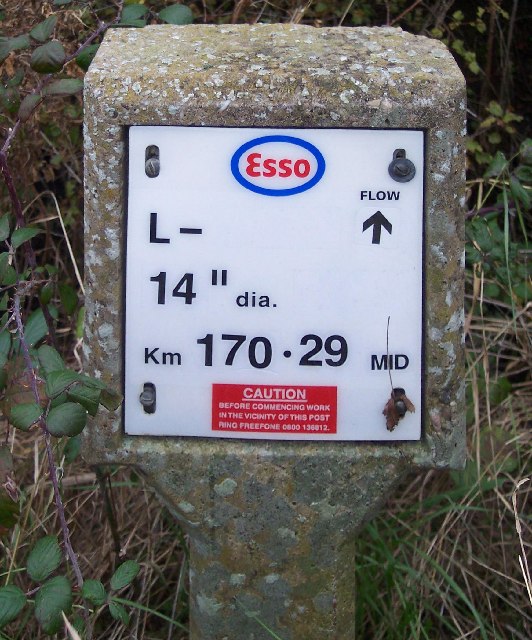
What it is
A pipeline easement covers a transmission pipeline — natural gas or petroleum products — crossing your land in a marked corridor. This is the most strictly controlled easement type there is: federal and state safety rules apply, operators patrol the corridor, marker posts mark it (and you may not remove them), and there is little flexibility about what sits on the right of way.
Expect patrols, strict clearance, and an operator who takes the corridor seriously. That strictness exists for a reason.
How to check for it
- Look for marker posts — they are the visible sign, and removing them is not allowed.
- Look up the operator on the National Pipeline Mapping System (a public map) and keep their emergency number where you can find it.
- Call 811 before any digging — always, no exceptions near a pipeline corridor.
- Check your title report for the recorded pipeline easement and its width.
How to request maintenance
- Contact the pipeline operator directly — the NPMS listing gives you the name and number. For anything affecting the right of way, asking permission beforehand is expected, not optional.
- Report anything unusual immediately on the operator’s emergency line: exposed pipe, dead vegetation in a line pattern, unauthorized digging, or a gas smell.
- Never dig, build, or plant deep-rooted trees on the corridor without the operator’s written consent.
- Photograph the corridor’s condition with dates; it is your record of what was there before any work.
One free thing you can do today: Look up the operator on the National Pipeline Mapping System and keep their emergency number. Free, and the one piece of information you would want immediately.
What you would do with this
This is an illustration of how the report is used, not an account of something that happened. Nobody here is a real homeowner, and what any particular situation is worth or costs depends on facts this tool cannot see.
- The situationThere is a marker post at the edge of the property and you have no idea what it governs or how close you can work to it.
- What the report showsThat pipeline easements are treated as the most restrictive class here, who holds maintenance and inspection duties, and what the instrument should record about width and permitted use.
- What you doContact the operator named on the marker before any ground work, and ask for the recorded easement and their current encroachment rules in writing.
- What that gets youYou find out what is prohibited before you do it, on the one easement type where the consequence of guessing wrong is not merely expensive.
How it affects home value
Pipelines are the easement type most likely to affect a buyer’s willingness rather than just the price, and the effect is poorly captured by any rule of thumb. If a figure matters to you here, it needs an appraiser.
When this goes wrong
San Bruno, 2010: what a pipeline failure looks like
What happened
On September 9, 2010, at 6:11 p.m., a 30-inch PG&E natural gas transmission pipeline (Line 132) ruptured in a residential neighborhood of San Bruno, California. The escaping gas ignited. Eight people were killed, 38 homes were destroyed, and 70 more were damaged.
Why it happened
The National Transportation Safety Board’s probable cause: PG&E’s inadequate quality assurance and quality control when the pipe section was installed in 1956 — a substandard, poorly welded section — combined with an integrity-management program that failed to detect and remove the defective pipe over the decades. The failure mode was maintenance and oversight, not bad luck.
Could this happen at your property?
Transmission pipelines run under ordinary residential streets in every metro area, and the corridor rules — no structures, call before digging, know the operator — exist because this is the failure mode. If a pipeline easement crosses your property, the San Bruno mechanism (an old defect, missed by integrity management) is the reason the strictest easement rules in the book apply to your yard.
Sources
Keep in mind
These are the arrangements that are usual for this kind of easement. They are not a reading of your easement document and not legal advice — your document controls, and it can say the opposite of anything here. Use this to work out which questions are worth asking, then confirm the answers against the recorded instrument or with an attorney licensed in your state.