Overhead utility line
Power or phone lines on poles over your land.
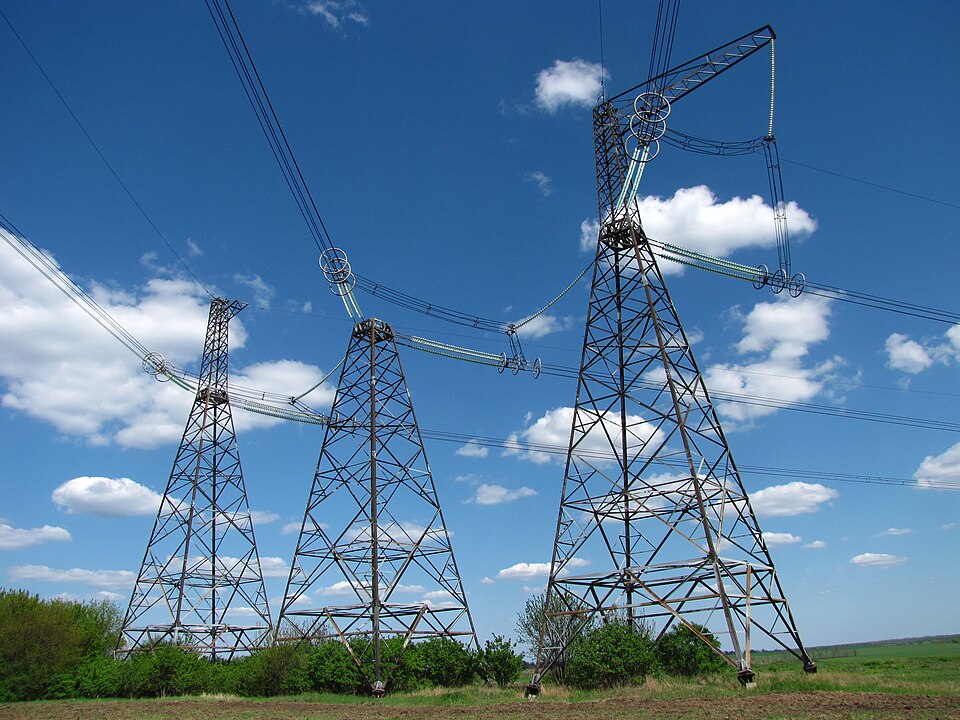
What it is
An overhead utility easement means poles and wires carrying electricity or phone service cross your property. The utility has the right to use the strip under the lines: to trim trees back to clearance, to keep the corridor clear, and to come through for repairs.
You still own the land. What you give up is the right to build or plant anything under the wires that would get in the way — because the utility will cut it back on their schedule, not yours.
How to check for it
- Look up: poles, wires, and transformers on or near your lot are the visible clue.
- Check your title report or deed — a recorded utility easement names the holder and the strip.
- Ask your electric utility which lines cross your parcel and how wide their clearance corridor is.
- Once you know which easement you have, the free SafeHomeValue report explains what it means for your property — what is restricted, who maintains it, and a rough sense of the money. It does not search for easements; it has read no documents for your parcel.
How to request maintenance
- Identify the utility — your electric bill, or the name stenciled on the poles.
- Call their vegetation-management or right-of-way line for trimming and clearance issues. Call 911 only if wires are down and sparking.
- Photograph the area first, with dates, from several angles — before any work happens.
- What to expect: trimming under the lines is generally the utility’s job, done to clearance standards on their timetable. Expect the shape of the cut to be decided by clearance, not by looks.
- Never prune near power lines yourself, and never plant trees that will mature into the wires — most utilities publish a list of what is safe to plant underneath.
One free thing you can do today: Photograph the easement area now, from several angles, with dates. It costs nothing and it is the single most useful thing you can have if restoration is ever disputed.
What you would do with this
This is an illustration of how the report is used, not an account of something that happened. Nobody here is a real homeowner, and what any particular situation is worth or costs depends on facts this tool cannot see.
- The situationA branch has grown into the span crossing the back of your lot, and you are not sure whether cutting it is your job, the utility’s, or something you are not allowed to touch.
- What the report showsWhich party normally carries vegetation management and line repair for an overhead utility easement, that building and permanent structures under the span are generally restricted, and — where the data exists — the line itself with its operator and whether it runs overhead or underground.
- What you doPhotograph the encroachment with a date, then report it to the named operator rather than to the city, quoting the line and the location. Keep the reference number.
- What that gets youThe clearance work goes on the operator’s schedule under their own vegetation obligations, and you have a dated record that you reported it — which is the document that matters if the line later causes damage.
How it affects home value
Overhead lines are visible, which means buyers price them in and the effect is usually already in the market. The avoidable loss is not the line — it is planting or building something that later gets cut back or removed.
When this goes wrong
When the equipment above your neighborhood fails
What happened
On January 7, 2025, the Eaton Fire started near Altadena, California. After an 18-month investigation, state and county fire officials concluded that electrical arcing from out-of-service Southern California Edison equipment on a transmission tower sparked the blaze. Nineteen people were killed and more than 9,000 homes and businesses were destroyed or damaged. A second, earlier case: the November 2018 Camp Fire, which Cal Fire determined was caused by PG&E transmission lines near Pulga — 85 people killed and nearly 19,000 structures destroyed, with a second ignition point where vegetation had grown into distribution lines.
Why it happened
In both fires the mechanism was utility infrastructure meeting dry vegetation: arcing or failing equipment above receptive fuel. The Camp Fire’s second ignition was literally vegetation grown into power lines — the exact thing clearance trimming exists to prevent.
Could this happen at your property?
If overhead lines cross your property in a high fire-risk zone, this combination — aging utility equipment above dry vegetation — exists at your address too. The difference is maintenance: utilities are generally responsible for vegetation clearance and equipment condition, and in California’s highest-risk zones defensible-space law adds duties for homeowners as well. That is the arrangement to confirm, not a prediction about your home.
Sources
Keep in mind
These are the arrangements that are usual for this kind of easement. They are not a reading of your easement document and not legal advice — your document controls, and it can say the opposite of anything here. Use this to work out which questions are worth asking, then confirm the answers against the recorded instrument or with an attorney licensed in your state.