Water line
A drinking-water main under your yard.
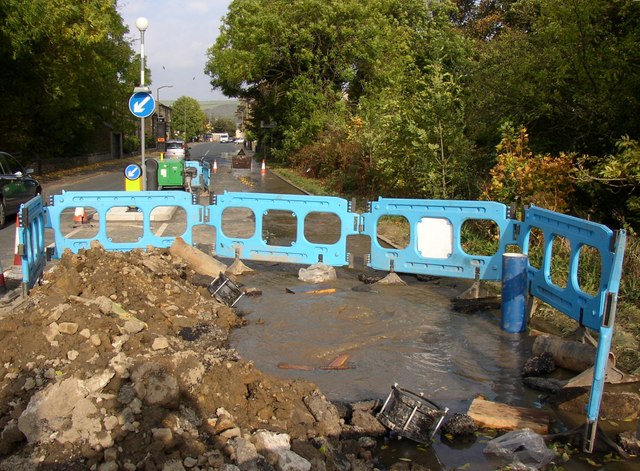
What it is
A water-line easement covers a potable water main crossing your land. The water utility owns the main and is generally responsible for repairing it — but the repair happens on your land, tears up your yard, and you live through it.
The distinctive risk is a leak: water finds foundations, and a main failing under your yard is the holder’s to fix but yours to endure.
How to check for it
- Look for valve covers, meter boxes, and fire hydrants — they mark the alignment. Note what you should not pave over.
- Ask your water utility for their easement maps for your parcel.
- Check your title report for a recorded water-line easement.
- Watch for the warning signs of a leak: soggy ground that never dries, an unexplained wet patch, or a water bill that jumps for no reason.
How to request maintenance
- Suspect a leak? Call the water utility — the main is theirs to repair and replace.
- Photograph the area with dates before any excavation; surface restoration after their dig is generally the holder’s job, at a “serviceable” standard.
- Do not build permanent structures over the alignment — a crew must be able to reach the main without destroying what you built.
- Ask the utility in writing before any significant improvement near the corridor.
One free thing you can do today: Note where any visible valve covers or meter boxes sit. They mark the alignment and tell you what you should not pave over.
What you would do with this
This is an illustration of how the report is used, not an account of something that happened. Nobody here is a real homeowner, and what any particular situation is worth or costs depends on facts this tool cannot see.
- The situationYou want to build over or near a water main crossing the property, and nobody will give you a straight answer about whether you can.
- What the report showsThat this type is treated conservatively, what is generally restricted above a water easement, who is responsible for repair and for putting the ground back afterwards, and what the recorded document ought to say.
- What you doTake the restriction list to the authority before you draw plans, and ask specifically what they permit within the strip and what they will require removed for access.
- What that gets youA design that survives the permit rather than one that gets ordered out later, and the answer in writing before an architect has been paid to draw the wrong thing.
How it affects home value
A potable water main is treated like any other utility for value purposes. The distinctive risk is a leak: water finds foundations, and a main failing under your yard is the holder’s to repair but yours to live through.
When this goes wrong
The 90-year-old pipe under Sunset Boulevard
What happened
On July 29, 2014, a more than 90-year-old steel-riveted 30-inch water main burst under Sunset Boulevard in Westwood, Los Angeles, sending a geyser about 30 feet into the air. Between 8 and 20 million gallons of water poured out before crews could shut it off three hours later. The flood inundated Bruin Walk, Pauley Pavilion, and two UCLA parking garages, trapping more than 700 cars; several motorists had to be rescued from flooded vehicles. UCLA submitted a $13 million damage claim to the LADWP, which acknowledged responsibility.
Why it happened
The pipe was installed in 1921 — a century of aging trunk infrastructure still in service. The LADWP had not flagged this segment for replacement, and once it ruptured there was no fast way to isolate it: shutting the wrong valves would have cut water to surrounding customers or stressed other old pipes into failing too.
Could this happen at your property?
A water-line easement gives the utility the right to run — and to excavate — a pressurized main across your property. Trunk mains are the utility’s to maintain, but your service line (house to meter or main) is typically yours, and it fails the same way the big pipes do: corrosion plus age plus pressure. If your home was built before the 1970s and the service line is original, assume it is on borrowed time. And if a utility main crosses your lot, know where it is before you plant deep-rooted trees or pour a driveway over it.
Sources
Keep in mind
These are the arrangements that are usual for this kind of easement. They are not a reading of your easement document and not legal advice — your document controls, and it can say the opposite of anything here. Use this to work out which questions are worth asking, then confirm the answers against the recorded instrument or with an attorney licensed in your state.